One question, one recording, one change
Give a casual listening comparison a clear question without turning an evening into a laboratory session.
LISTENING ROOM NOTES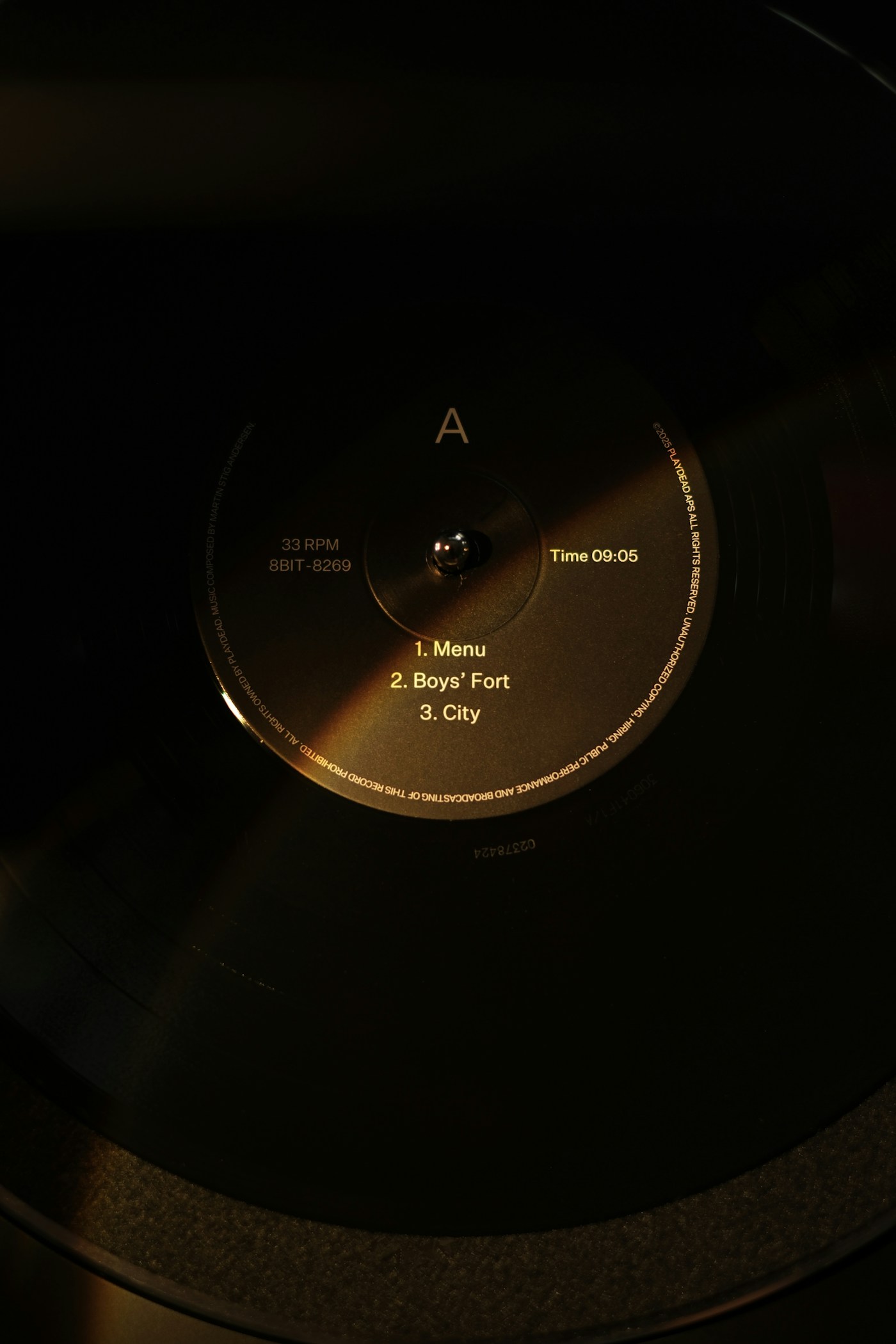
An evening of changing settings can produce a lot of impressions and very little useful memory. By the fourth adjustment, the starting point has become a story rather than something you can easily hear again. A small comparison works better when its question is narrow enough to fit on the first line of a notebook.
Write the question before the answer
Choose something you can describe plainly. Does the spoken introduction seem easier to follow from this seat? Is the singer still centred when the chairs move? Which setting would you prefer for a complete album? Avoid a question so broad that every possible change could appear relevant.
Then list what will remain the same. Use the same recording and the same version of that recording, not a different remaster or a live performance with a similar title. Note the playback source, the passage and the ordinary volume setting. This is a way to organise a personal impression, not a claim of controlled measurement.
Choose a short passage with a reason
A familiar section is useful because you can explain what you are listening for. It need not be a celebrated demonstration track. A quiet introduction, a voice accompanied by one instrument or a busy passage you know well can each give the comparison a focus. Write why you selected it.
Keep the passage short enough to revisit without becoming impatient. Also listen to a longer section before deciding what you prefer. A moment that draws attention during a quick switch may matter less during an entire song, and a detail you enjoy in isolation may not explain your overall choice.
Use ordinary words
Make two columns labelled A and B. Write observations first and preferences second. For example, an observation might describe a voice as appearing closer to the middle; a preference might say that you enjoy that presentation. Keeping those sentences separate makes the note easier to reconsider.
Leave room for uncertainty. If you cannot confidently tell the arrangements apart, write that rather than supplying a colourful adjective. Ask whether you changed more than one thing, whether the passages really matched, or whether the question was simply not useful. An inconclusive entry can stop a pointless cycle of adjustment.
Finish with music
Choose one arrangement, put away the comparison notes and play the rest of the recording. Return to the notebook later to write whether the choice still suited the evening. A personal listening log earns its place by helping you enjoy and understand your collection; it does not have to rank every setting or manufacture a winner.